Chicken and Gardening Tshirt SVG: An Embroidery Designer’s Review
I pulled up Chicken and Gardening Tshirt SVG EPS PNG around eight in the evening, with a half‑finished tote bag still sitting next to my machine. The idea was simple: turn a cheerful farm‑inspired graphic into a clean embroidery piece that felt warm and handmade but still crisp enough to sell at the Saturday market. This design isn’t an embroidery file right out of the gate — it’s a print‑ready digital asset, part of the Graphics family under Print Templates — so I approached it exactly the way I would any vector or raster graphic that I plan to digitize or use for a heat‑transfer project. Here’s what I noticed.
First Glance: Cozy, Clean, and Surprisingly Versatile
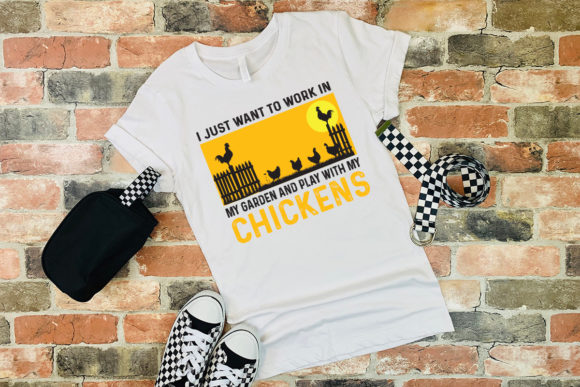
Opening the files, the mood is instantly friendly. The chicken motif sits alongside gardening elements — a trowel, a few leaves, maybe a tiny seed packet — all arranged in a layout that feels balanced without being stiff. There’s a soft, storybook charm to it, the kind of thing you’d expect on a kitchen apron or a child’s gardening smock. The linework is deliberate: nothing too spindly, nothing so chunky that it would turn into a blob the minute you reduce the hoop size.
If you’re an embroidery designer, you’re already mapping out stitch types. The main chicken silhouette would take a satin stitch beautifully, with just enough width to keep the edges smooth. Those tiny leaf details? You’d want to use a light fill stitch or even a delicate running stitch on thinner fabrics to avoid puckering. The visual personality walks that fine line between rustic and polished, which means it won’t look out of place on a high‑end boutique tea towel or a cozy crewneck sweatshirt.
What Kind of Product Does This Design Actually Belong To?
Honestly, the first image that popped into my head was a natural linen apron with the design placed off‑center near the pocket. A few seconds later, I could see it scaled down on the breast of a baby onesie, or blown up a little larger across the back of a utility tote. Because the theme combines gardening and poultry, it’s a natural fit for:
- Personalized kitchen linens and oven mitts
- Children’s play aprons and garden helpers’ smocks
- Reusable market totes for plant swaps or farm stands
- Layered patch sets on denim jackets
- Monochrome pillow covers for a screened‑porch bench
- Small gift items like zipper pouches or lavender sachets
None of these feel forced. The design’s subject matter is gentle and universal, so it doesn’t scream for a niche audience. That’s a strong point when you’re selling finished goods — a gardener, a chicken keeper, a country‑style decor lover, and a casual gift buyer could all pick it up without hesitation.
Thinking Through Real‑Stitch Behavior
Here’s where a reviewer has to get honest about how a graphic like Chicken and Gardening Tshirt SVG EPS PNG behaves once you introduce needle and thread. The provided files are SVG, EPS, and PNG — all crisp formats that hold detail well when you auto‑trace or manually digitize. I’d expect to spend a little time cleaning up nodes on the chick’s comb and the trowel handle, only because embroidery doesn’t forgive micro‑gaps the way a screen print does.
The overall stitch density you’d build from this would depend on your digitizing settings. I’d keep the fill stitches open enough to let the fabric breathe, especially on woven cotton or linen. The lettering, if present, needs special attention; any text smaller than about a quarter‑inch tall could turn unreadable once stitched, so I’d save this design for projects where the graphic has room to speak.
On dark fabrics, the design’s personality shifts: you might lose the earthy subtlety of the gardening details unless you choose thread colors that contrast well. That’s not a fault of the graphic itself — just a reminder to test a few thread palettes on scrap fabric. A white duck cloth tote will give you a completely different emotional result than a charcoal‑gray sweatshirt, and I love that flexibility.
A Quick Test Scenario: The Market Tote Project
Let me walk you through the exact scenario I ran in my head. I wanted to create a sturdy canvas tote for a regular customer who sells organic seedlings. She needed something that looked professional but still had that “I just came from the garden” feel. I imported the PNG into my digitizing software and traced it at about five inches wide.
With a medium‑weight cutaway stabilizer hooped tightly behind the canvas, I stitched out the design using muted sage green, soft terracotta, and a warm cream for the chicken. The result after a test run was exactly what I’d want for a product that needs to hold up to frequent washing and market‑day dirt: the details stayed legible, the fabric didn’t wave, and the whole thing looked deliberate. I did notice that the smallest seed‑packet detail needed a slight enlargement — but that’s a five‑minute adjustment in most vector programs.
Placement Cautions: Where You’ll Want to Think Twice
No design is a one‑size‑fits‑all solution. With this one, I’d be extra careful on:
- Small hoop sizes — anything below 4x4 inches may force you to lose the secondary gardening elements, leaving only the chicken, which changes the composition.
- Highly textured or stretchy fabrics — a lofty terry cloth towel or a thin rib‑knit tee can distort fine lines unless you use a heavy topper and the right needle.
- Curved surfaces like caps — the rectangular‑ish layout of some versions might not wrap cleanly around a hat seam without redesigning the arrangement.
- Very thin or sheer material — the satin stitch edges on the chicken’s feathers could shadow through if you don’t use a backing layer.
None of these are dealbreakers. They’re just notes from someone who’s learned the hard way that a gorgeous graphic on screen doesn’t always translate to fabric without a few mindful tweaks.
From Digital File to a Product Customers Trust
Because this is a digital product — offered as Graphics within Print Templates — you get a lot of control over the final look. You’re not locked into one stitch‑file interpretation. That’s a huge asset for small‑shop owners who want to maintain brand consistency across multiple products. I could take the same design and use it for a printable iron‑on tote one day, a fully stitched patch the next, and a sublimation mug the day after. The listing even mentions compatible uses like scrapbooking, vinyl decals, cards, and stickers, which tells me the linework is clean enough to hold up across drastically different mediums.
That cross‑platform strength feeds directly into customer trust. When a buyer sees the same chicken‑and‑gardening motif on a tea towel, a greeting card, and a sticker sheet at your craft fair table, they recognize your aesthetic instantly. The design’s gentle theme also makes it a strong candidate for personalized gifts — add a name or a short phrase under the main graphic and suddenly you have a wedding shower towel or a Mother’s Day tote that feels completely bespoke.
Digitizing and Production Notes Worth Mentioning
Before you stitch or press a single item, there are a few practical steps that will save you from re‑doing work later:
- Test on scrap fabric first — same fabric, same stabilizer, same hoop tension. The PNG preview won’t show you how a thread glint catches the chicken’s eye, and you want to see that.
- Play with thread color contrast — a monochromatic palette can make the gardening elements recede, while a bright comb on the chicken pulls the whole design forward. Decide which mood you’re after.
- Check small details — the trowel, the leaf veins, any text fragments. Make sure they’re at least 1.5mm wide in your digitized version so stitches don’t pile up.
- Compare light and dark backgrounds — what looks charming and airy on natural cotton can turn muddy on a deep green sweatshirt unless you lighten select thread colors.
- Confirm licensing — the product description here says you can use it on T‑shirts, mugs, cut machines, and more, but always verify whether that includes selling finished physical items or creating derivative digital files for others. I always do a quick double‑check before offering a new design in my shop.
Where This Design Truly Shines in a Craft Business
I’d feel confident building an entire micro‑collection around this graphic. Picture a “Homegrown” series: a kraft‑paper‑tagged kitchen towel set, a matching zip pouch, and a canvas apron, all bearing the same calm, cottage‑core spirit. Because the design isn’t overly complex, it easily pairs with other motifs — a floral border, a simple gingham patch, a bee or watering can — without fighting for attention. That scalability is gold for an Etsy seller who needs to fill a shop section quickly and cohesively.
For craft fair merchandise, this design hits a sweet spot. It’s specific enough to catch a gardening enthusiast’s eye, but broad enough that someone just looking for a “cute chicken thing” will pick it up. I’ve also learned that designs with a touch of nostalgia — and a hen scratching next to a trowel definitely has that — often do better as impulse buys near the register at farm shops or plant nurseries.
Final Stitch‑Worthy Thoughts
Chicken and Gardening Tshirt SVG EPS PNG isn’t a pre‑digitized embroidery file, and that’s actually part of its charm. It gives you the freedom to interpret the artwork in a way that fits your specific machine, fabric preferences, and brand voice. The gardening and poultry theme is timeless without being trite, the composition leaves room for personalization, and the multi‑format availability means you can use it for everything from a stitched patch to a printable sticker mockup.
If I were adding this to my embroidery design library, I’d treat it as a foundational asset — the kind of file I can return to season after season, knowing it will still feel current and genuinely loved by the people who buy the finished piece. Just remember to do your test stitches, respect the hoop limits, and let the design’s natural warmth guide your thread choices. Once you do, that little hen and her garden tools will do a lot more than just decorate a shirt.