Adventure Life Design: An Embroidery Designer's Honest Review
The Vibe: Wanderlust Meets Practical Stitching
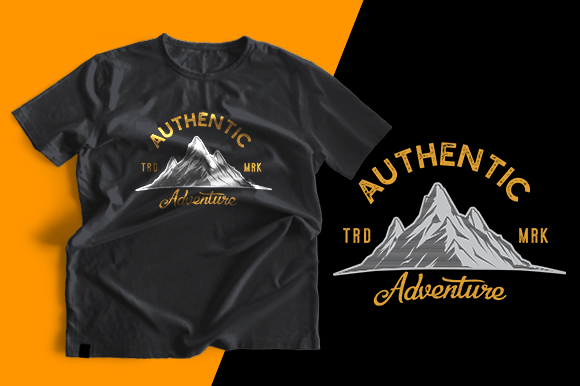
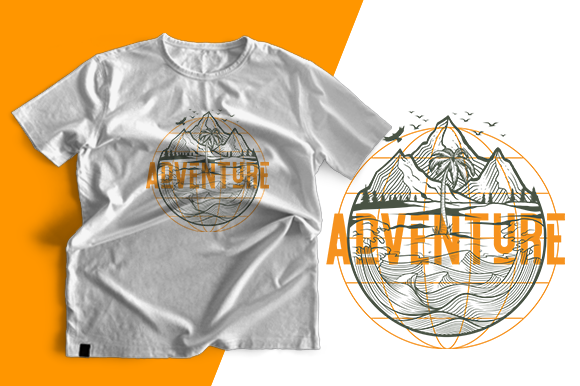
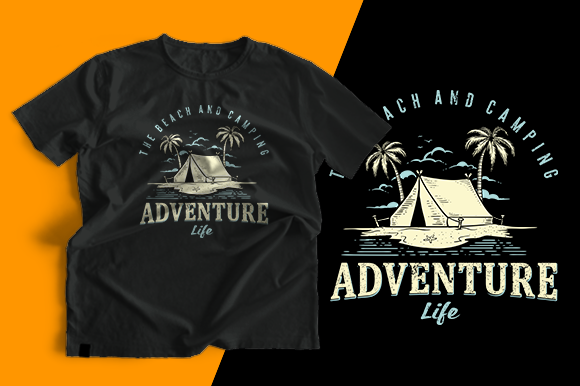
Some designs arrive with a sense of motion. T-shirt Design - Adventure Life does exactly that. The first glance feels open, free, a little rugged. It’s not just a decorative graphic; it carries the spirit of trailheads, mountain mornings, and that quiet itch to explore. From an embroidery standpoint, that mood translates into products people want to wear or carry. Customers react to a feeling, not just a shape. This design gives you that head start.
What I notice right away is how the layout balances statement and subtlety. The visual rhythm doesn’t scream, but it lingers. That matters for embroidery because stitched items live in the real world. A tote bag tossed in a car, a sweatshirt pulled on for Saturday errands, a cap worn until it’s faded. A design that can age gracefully without losing its personality is gold for small shops and custom apparel makers.
Because it comes from the Print Templates category, you’re working with Graphics, not a finished embroidery file. That’s actually a creative advantage. The provided vector formats let you shape the final stitched version exactly to your machine, your thread palette, and your product line. You’re not locked into someone else’s stitch decisions.
From Screen to Stitch: Testing on a Custom Tote Bag
I took Adventure Life straight into a real petite project: a midweight canvas tote bag for a small boutique that specializes in weekend adventure gear. The cotton duck fabric has enough body to hold crisp stitches, but enough softness to need the right backing. First step was pulling the SVG into digitizing software and making honest embroidery decisions.
The 100 vector shapes, resizable promise holds up beautifully. Scaling the design from a large back panel motif down to a front pocket accent kept edges clean and corners precise. No pixelation, no janky outlines. For embroidery, that’s huge because you can plan a single design file to work across a sweatshirt back, a baby romper chest, or a structured hat front without losing visual integrity.
The color change note in the description—possible and easy change color for dark t-shirt—became immediately practical. My tote bag was natural off-white, but I tested a mockup on charcoal gray as well. Swapping thread tones to create contrast on dark fabric was straightforward because the vector original separates elements logically. In the digitized version, I chose a warm sand fill stitch for mountains and a deep pine for trees, keeping the text area in a clean satin stitch. The result felt organic, not forced.
Stitch-out revealed density sweet spots. Areas with larger vector blocks translated into beautiful fill stitch regions, while finer connecting lines needed slight widening to avoid thread breaks on the canvas weave. That’s a normal adjustment when converting print-ready vectors to embroidery, and Adventure Life gave me a strong foundation to tweak without rebuilding the entire layout.
Shape Personality and Visual Flow
The composition moves your eye across in a natural way. For clothing, that means the design doesn’t sit heavy in one spot. It distributes visual weight, which enhances wearability. On a sweatshirt, it holds its own without overwhelming the garment shape. On a baby blanket corner, it becomes a charming motif. That adaptability isn’t accidental; it’s built into the vector arrangement.
Dark Fabric Adaptation: A Real Advantage
Many embroidery designs fall flat on dark substrates because they weren’t planned for it. The built-in ability to quickly shift colors for dark tees isn’t just a convenience; it directly affects perceived quality. High-contrast stitching on deep navy, black, or forest green makes even simple stitches pop. For Etsy sellers offering custom colorways, this feature saves literal hours of manual recolor work and reduces customer back-and-forth about “will it show up on my shirt?”.
Resizable Vector Magic for Hoop Flexibility
I regularly work with hoops ranging from a tiny 100x100mm field to a massive 360x200mm for jacket backs. The resizable vector nature of Adventure Life means I set the design at 95mm wide for a child’s cap and at 280mm wide for an adult denim jacket, and in both cases the digitizing process started from the same crisp source. That repeatability builds real efficiency in a craft business where every minute counts.
Where This Design Needs a Gentle Hand
Adventure Life isn’t a design you blindly push through. Honest assessment: certain project types require test runs and careful adjustments. Here’s what I found.
For small hoop sizes, pay close attention to fine connecting lines. If you shrink the design below about 80mm in one dimension, those lines may become too thin for a reliable satin stitch. I recommend a quick run stitch test on scrap fabric before committing to production. On textured fabrics like thick terry cloth or loose knit beanies, the design can lose definition. A dense water-soluble topping helps keep surface clarity. Thin, stretchy fabrics call for a firm cutaway stabilizer to prevent shifting during the fill stitch sections.
When working with curved surfaces like caps, the layout’s width needs careful centering. The natural flow of the design can wrap slightly, which is fine on a flat tote, but on a structured cap bill it might distort a letterform. I’d recommend a double test stitch on a cap before adding to a product line. Dense stitch areas where vector layers overlap require thoughtful digitizing to avoid stiffness. Break large fill sections into different stitch angles for drape.
Products that face frequent washing—kitchen towels, baby bibs, everyday tees—benefit from a soft backing and a lighter stitch density. The design’s emotional weight stays intact even when you reduce density a touch, because the silhouette reads strongly.
Commercial Potential: From Etsy Listings to Craft Fair Best-Seller
I see this design thriving in about a dozen product niches. Personalized tote bags with a name added under the Adventure Life motif felt like a natural win during testing. Embroidered patches are another clear path; digitized with a merrowed edge, the graphic makes a patch that hikers, campers, and road-trippers snag up quickly. Sweatshirt embroidery for fall craft fairs, where the design sits on a cozy heathered pullover, draws people in. The adventure theme crosses age groups, which means baby embroidery on a soft blanket or a nursery pillow cover fits right alongside adult apparel.
For printable mockup use, the included PNG transparent 300dpi is sharp and easy to drop onto product photos. That’s not an embroidery need directly, but if you sell both stitched items and digital product previews, having consistent visuals builds customer trust. Handmade presentation matters.
Giftability is high. Something about the word “adventure” paired with nature imagery opens up personalization for wedding gifts, retirement presents, graduation keepsakes, and friend-group camping trip mementos. The design’s quiet confidence means a simple hoop framed piece on linen becomes meaningful without looking crafty in an amateur way.
One thing to check: licensing. The description doesn’t spell out commercial use terms for finished embroidery items. Before printing dozens of sweatshirts or selling stitched patches in your shop, hunt down the license details. Most Print Templates allow physical end products, but never assume. Confirm you can use it on merchandise you sell.
Before You Stitch: A Practical Embroidery Checklist
After testing, here are the steps I personally run through with Adventure Life, and I’d recommend the same for any embroidery designer, small business owner, or maker:
- Test on scrap fabric first. Same weight and color you’ll use in production.
- Review stitch density. Reduce fill density slightly for soft apparel, keep crisp for structured bags.
- Check thread color contrast. On dark t-shirts, high-contrast threads (cream, bright teal, orange) read stronger than tonal threads.
- Black and white mockup. Print a grayscale version to see if the design holds up without color, which simulates how light hits stitches.
- Stabilizer match. Cutaway for knits, tear-away for wovens, topping for fluffy fabric.
- Inspect fine details. Any line thinner than 1mm at final stitch size likely needs widening.
- Confirm hoop size. Digitize for the smallest hoop you’ll offer, then scale up to maintain consistency.
- Quick wash test. One cold cycle, air dry, check for distortion.
Adventure Life earns its keep when you put in that small upfront investment. The vector quality, the recolor flexibility, and the natural appeal of the theme give you a solid asset that feels less like a generic template and more like a real starting point for meaningful handmade product. For Etsy sellers, boutique owners, and craft business crafters, that’s the kind of design that quietly builds a loyal following.