Winner T-shirt Design Graphics for Print Templates
When I first opened the Winner T-shirt Design file set, I was preparing a small batch order for a local sports team celebration. A customer wanted twelve matching shirts, six tumblers, and a few laminated gift tags ready in under four days. The design immediately struck me as bold, declarative, and versatile enough to anchor a whole mini collection without feeling generic. It carries a confident, celebratory energy that sits somewhere between playful and motivational. This is not a shy, whispery graphic. It announces itself. For crafters who sell handmade products, that kind of visual presence matters when you are trying to catch attention on an Etsy listing thumbnail or across a crowded craft fair table.
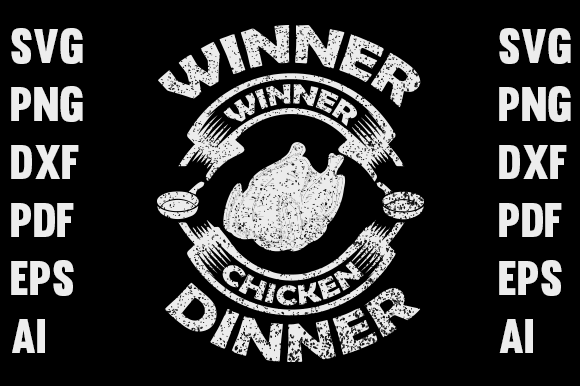
The mood the Winner T-shirt Design creates leans toward upbeat, energetic, and achievement-focused. I could instantly imagine it resonating with customers shopping for graduation gifts, team victory keepsakes, personal milestone celebrations, fitness accomplishments, or even playful birthday statements. It has a clean, modern casualness that works well for both youth and adult apparel. The style suggested a typographic-driven layout with decorative emphasis, something that pairs beautifully with athletic wear, casual streetwear, and motivational product lines. If your handmade brand leans into positivity, empowerment, or celebration themes, this graphic design asset will slide into your catalog without requiring heavy rework.
Unboxing the Design Personality and First Impressions
What I appreciated right away was the visual clarity. The Winner T-shirt Design features a composition that reads instantly, even at a glance. For handmade sellers, this is crucial. Customers scroll fast. If a design looks muddy or hard to decipher in a thumbnail, they keep moving. This asset holds its shape beautifully when scaled down for product mockups or enlarged for a full-front shirt print. The line weight feels intentional, not fragile, which tells me the designer understood that crafters would be cutting vinyl, printing on textured surfaces, and transferring onto fabrics that shift slightly under heat.
Emotionally, the design taps into a universal feeling of victory and self-recognition. It is not overly aggressive or sport-specific, which broadens the customer base significantly. I could see a mom buying a mug with this graphic for her child who aced a tough exam, or a fitness coach ordering tanks for a client transformation challenge. That adaptability is something I always look for when adding new print templates and graphics to my creative library. A design that only works for one narrow occasion limits your product listings. A design that sparks multiple product ideas across different niches earns its place in your permanent collection.
Where This Design Shines in Real Handmade Production
I tested the Winner T-shirt Design across several substrates over a weekend production sprint. The results varied in expected and some pleasantly surprising ways. Here is where it excelled and what I would recommend for fellow crafters, Cricut users, Silhouette operators, and handmade business owners.
Apparel and Fabric Projects That Make Sense
On cotton tees and crewneck sweatshirts, the design pressed beautifully using both heat transfer vinyl and sublimation methods. The SVG file opened cleanly in Cricut Design Space with no stray nodes or broken paths, which saved me at least twenty minutes of cleanup. I cut it at eleven inches wide for a unisex large tee and the detail held without weeding frustration. For Silhouette users, the DXF file imported smoothly into Silhouette Studio, maintaining proper scaling. I would comfortably run this design on shirts, hoodies, tote bags, aprons, and canvas pouches without hesitation. The PNG transparent file also worked well for sublimation prints on polyester-blend shirts, retaining crisp edges after pressing.
One note from my workflow, when cutting the design below four inches wide for a toddler shirt, the thinner decorative elements started to feel delicate during weeding. This is not a flaw of the asset, but a practical reminder that any typographic graphic design asset with fine accents needs size-appropriate application. I recommend staying above five inches for vinyl cuts unless you are using a very sharp blade and a strong grip mat.
Print-Ready Products for Etsy and Craft Fairs
Where the Winner T-shirt Design genuinely surprised me was in printable product applications. I printed it on glossy sticker paper using the high-resolution PNG, and the transparency layer rendered perfectly around the letterforms. No white halo, no jagged edges. Within an hour, I had a sheet of die-cut stickers ready for packaging as a motivational sticker pack. For tumbler wraps, I placed the design into a standard twenty-ounce skinny tumbler template, added a subtle sparkle background, and sublimated it onto a stainless steel tumbler. The result looked like a premium retail product. This is the kind of digital product versatility that helps a small handmade business expand its catalog without constantly purchasing new design bundles.
I also printed it on cardstock for greeting card fronts and gift tags. Because the design is predominantly type-based, it paired beautifully with simple kraft paper backgrounds, leaving plenty of room for handwritten personalization inside. If you sell party decorations, graduation gift sets, or printable wall art, this asset transitions smoothly from apparel to paper goods without losing impact.
Small Decorative Accents and Gift Packaging
Beyond the obvious apparel uses, I found the Winner T-shirt Design scaled down nicely for thank-you card inserts and small business branding touches. I printed miniature versions on adhesive label sheets, attached them to tissue paper wraps, and used them as seal stickers for customer orders. That extra branding layer matters when you are trying to build repeat customers on Etsy or at local markets. The design felt intentional and polished in all those micro-applications, which tells me the source file construction is fundamentally solid.
Technical Workflow Checks Every Crafter Should Run
Before you list any finished product using this design asset, I strongly recommend running a few practical checks. I learned early on that even a beautiful illustration or clipart can wreck a production day if the file acts unpredictably under pressure. Here is what I tested and what you should verify in your own workspace.
- SVG line cleanliness – I examined the SVG file in outline mode and found the paths clean, with no hidden duplicate layers or open contours. This is critical for Cricut and Silhouette users who need smooth cut lines.
- PNG transparency integrity – The transparent PNG had a true alpha channel with no residual background noise. This matters for sublimation overlays and sticker designs where any faint box around the graphic ruins the final product look.
- Color consistency across print methods – I printed the same PNG file on sublimation paper, inkjet sticker paper, and laser-compatible cardstock. The color reproduction stayed consistent, though as always, your specific printer profile and substrate color will slightly shift results. I always test on the actual blank before running a full batch.
- Small-scale cut test – At two inches, the design still read clearly, but the narrowest decorative strokes became challenging for vinyl weeding. This informed my recommended minimum sizing guidelines for future orders.
- Dark product compatibility – On black shirts and dark tumblers, the design popped well because the shapes are bold and uncluttered. Thin, delicate designs often disappear on dark backgrounds, but this one held its visual weight.
Format Flexibility and File Quality Observations
The product listing mentions that you receive the graphic design asset in six formats, SVG, PNG transparent, DXF, EPS, AI, and PDF. In practice, I used the SVG for Cricut cutting, the PNG for sublimation and sticker printing, and the PDF for quick reference print alignment. The EPS and AI files opened correctly in Affinity Designer and Adobe Illustrator, giving full access to vector editing for those who want to recolor, resize, or slightly modify elements before production. I did not need to alter the core composition, but having editable vector files provides long-term flexibility if a customer requests a custom colorway or if I want to adapt the design into a larger seasonal craft bundle.
The inclusion of DXF is a thoughtful touch for Silhouette users who prefer that import pathway, and the transparent PNG handles most quick-print needs without requiring design software expertise. For crafters who operate primarily on tablets or use web-based design tools, the PNG alone covers a significant range of product creation scenarios, especially for print-on-demand platforms and product mockup placement.
Styling Tips and Font Pairing Ideas
The typographic personality of the Winner T-shirt Design leans bold and slightly decorative. When I created complementary product listings, I found that pairing this graphic with clean sans serif supporting text kept the overall look modern and readable. A chunky sans serif or a tall condensed font worked well for adding dates, names, or event details without competing with the main graphic. If your handmade brand voice is softer or more feminine, a flowing handwritten script font underneath the main design creates a lovely mixed-type composition that feels personal and uplifted.
For Etsy product mockups, I always recommend placing the design on at least three different product views, a flat lay shirt, a lifestyle model shot, and a close-up detail image. The Winner T-shirt Design photographed well across all three. On mockups with darker backgrounds, the design maintained clear separation. On lighter backgrounds, the transparency edge stayed invisible, which is exactly what you want when presenting a digital product in your creative marketplace shop.
Commercial Considerations for Handmade Sellers
This is the conversation I wish more crafters had before purchasing graphic design assets. Always, always confirm the commercial license terms. The Winner T-shirt Design is presented as a design asset suitable for shirts, mugs, bags, decals, card making, and similar finished products, which strongly suggests a standard commercial use allowance. However, I make it a personal rule to verify whether the license permits selling finished physical products, digital redistribution, or print-on-demand usage. Most handmade sellers and Etsy shop owners fall into the physical product category, but if you plan to include this design in a printable design bundle you sell, double-check the terms first.
For my own production run, I used it confidently on shirts, tumblers, stickers, and gift tags sold directly to customers at a local market. The design performed without technical issues, and several customers commented on the energetic, celebratory feel of the graphic. That kind of feedback tells me the asset resonates with real buyers, not just with my own creative preferences.
My Honest Take After a Full Workflow Test
After cutting, printing, pressing, and packaging products using the Winner T-shirt Design across multiple formats and substrates, I can say this asset earns its place in a working craft room. It is not overly complex, which is actually a strength. Overly intricate designs often fail in production because tiny details lift during weeding, blur during sublimation, or confuse customers who want a clear visual message. This design communicates instantly, cuts cleanly, and prints sharply. Those three qualities alone make it a reliable choice for busy handmade business owners who cannot afford production delays caused by fussy files.
The design works best on medium to large apparel placements, statement mugs, bold stickers, and print templates where the message is the star. It requires a bit more care at very small sizes or when layered with additional decorative elements, but that is true of any typographic graphic. If you sell motivational products, celebration gear, team apparel, or achievement-themed gifts, the Winner T-shirt Design deserves a spot in your next product release lineup. It arrived as a clean, well-structured file set, and after a full testing cycle, it delivered consistent results across every application I threw at it.