Gorilla Jiu Jitsu Graphics & Print Template Review
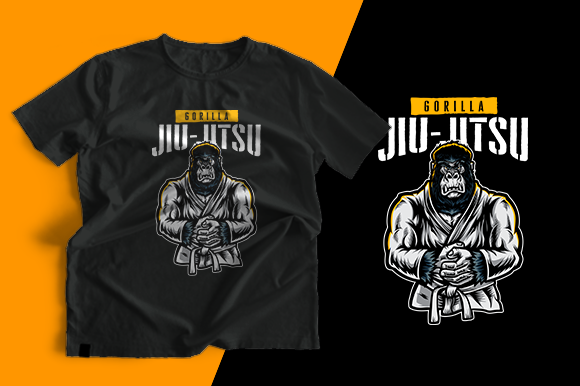
Right out of the download folder, this design hits with a kind of quiet intensity that is hard to ignore. The Gorilla Jiu Jitsu graphic does not rely on excessive detail or clutter to make its point. Instead it leans into a bold, almost primal silhouette that immediately reads as powerful and controlled. For anyone who has spent time around martial arts academies or crafted for combat sports clients, you know the balance has to be right. Too aggressive and it alienates casual buyers. Too cartoonish and it loses the respect of serious practitioners. This asset lands in a sweet spot where the gorilla feels commanding but not hostile, making it surprisingly versatile for a range of handmade products.
As someone who regularly prepares batches of custom shirts, hoodies, stickers, and sublimation mugs for Etsy orders and local gym accounts, I look at every new graphic design asset through a practical lens. Will it weed cleanly on vinyl? Does the transparency hold up on dark garments? Can I scale it from a small sticker to a full back print without losing integrity? These are the questions that separate a pretty preview from a actually usable SVG design. The Gorilla Jiu Jitsu file arrives with genuine vector bones, which means resizing becomes a non-issue for most standard craft applications.
First Impression and the Mood It Creates
The gorilla figure itself is rendered with confident, thick contours and enough interior negative space to keep the shape readable even at a distance. This is not a delicate or overly decorative illustration. It reads as bold, grounded, and unapologetically masculine in tone. There is a subtle texture to the way the vector shapes layer together that gives the gorilla a slightly etched or woodcut feel, which I find pairs beautifully with gym culture aesthetics. Think mat rooms, raw concrete walls, and minimalist fight brand logos. The mood is serious but not intimidating, which is exactly what you want when you are designing for customers who range from seasoned black belts to beginners walking into their first class.
From a handmade seller perspective, this design opens a door to a very specific but loyal customer base. Brazilian Jiu Jitsu practitioners tend to be passionate about their academies, their lineage, and their gear. They buy shirts. They buy stickers for their water bottles and laptops. They buy hoodies. They gift mugs to their coaches. A design like this, used thoughtfully across a small product collection, can become a recognizable part of a gym's identity or a popular standalone item in an Etsy shop that caters to martial arts enthusiasts.
Vector Quality and File Structure Worth Noting
One of the first things I check after unzipping a new print template or graphic is whether the SVG actually behaves like a true vector when opened in design software. Too many assets claim to be vector but reveal messy nodes, unclosed paths, or raster elements hiding underneath. The Gorilla Jiu Jitsu package includes AI, EPS, PDF, SVG, and a 300dpi PNG with true transparency. Opening the SVG in Cricut Design Space and Silhouette Studio showed clean, well-organized paths. The design is built from multiple distinct vector shapes rather than a single flat compound path, which matters when you want to do layered vinyl projects, color separations, or partial foil applications.
The inclusion of a high-resolution PNG transparent file at 300dpi means you can also drop this straight into a sublimation layout, a product mockup, or a print-on-demand interface without any conversion hassle. For crafters who split their time between cutting machines and sublimation printers, having both vector and raster formats ready to use speeds up the workflow significantly.
Preparing the Design for Cricut and Silhouette Projects
When I loaded the SVG into Cricut Design Space, the import was clean with no stray cut lines or hidden artifacts. The design scaled up to a twelve-inch wide t-shirt graphic without any degradation in edge quality, which is what you would expect from adequately constructed vector shapes. For Silhouette Cameo users, the EPS and PDF options provide alternative import routes, though I found the SVG handled everything I needed for standard vinyl cutting, heat transfer vinyl, and printable sticker layouts.
One thing I always recommend, and it applies here, is to do a test cut on a small piece of scrap vinyl before committing to a full run. The gorilla illustration contains some moderate interior detail around the facial area and the fur texture lines. On a larger scale, those details cut beautifully and add character. If you try to shrink this down to a two-inch sticker, some of the finer fur strokes may become delicate to weed. For sticker sizes under three inches, I would suggest offsetting the design slightly or simplifying the interior cuts in your software to keep the weeding process manageable.
Color Adaptation for Dark and Light Garments
The product notes mention easy color changes for dark t-shirts, and this is a feature that genuinely matters in real production. When you are fulfilling orders for a gym that wants white ink on black hoodies, the ability to quickly invert or recolor the design without rebuilding it from scratch saves hours over a production season. Because the file is built from discrete vector shapes, you can select and recolor elements individually in Adobe Illustrator, CorelDRAW, or even directly on some cutting software interfaces.
For dark garment applications using heat transfer vinyl, I find a single-color version in white, metallic gold, or silver creates a premium look that competes with established fightwear brands. For light garments, a charcoal gray or deep forest green print lets the illustration breathe while keeping the mood serious. Sublimating this onto a white polyester shirt gives you full-color freedom, and the high-contrast nature of the design means it translates well even on mugs and tumblers where the print area is curved and smaller.
Product Ideas That Make Sense for Handmade Sellers
This is not a design you buy and use once. Because it carries a distinct but not overly niche visual identity, you can stretch it across a full handmade product collection. Here are the product types where I see the strongest application:
- T-shirt design for gym members, tournament attendees, and casual wear
- Hoodies and sweatshirts for colder training months and holiday gifts
- Tumbler wraps and water bottle stickers for hydration gear
- Sublimation mug design for coach appreciation gifts and fundraiser items
- Tote bags and gym sacks with large vinyl or sublimation prints
- Greeting cards and gift tags for martial arts promotions and belt ceremonies
- Printable wall art for academy lobbies, home gyms, or fighter dorms
- Sticker design for laptops, phone cases, car windows, and equipment cases
- Scrapbooking elements and planner stickers for BJJ journaling communities
- Party decorations for belt promotion celebrations and gym anniversary events
For Etsy product listings, having a design that can populate multiple product types from one asset means you can create a cohesive shop section around a single theme. A customer who finds your gorilla jiu jitsu sticker might return for the matching hoodie or mug. That kind of product synergy strengthens small business branding and increases average order value.
When to Be Careful with This Asset
As much as I appreciate the design, no asset works perfectly in every scenario. The honest truth is that while the gorilla silhouette reads beautifully at standard product sizes, the finer fur detail lines can become problematic in very small applications. If you are creating planner stickers under one inch, consider using just the main body silhouette without the interior texture lines. For layered vinyl projects where you want to use multiple colors stacked together, registration can become tricky around the facial details because the shapes are tightly nestled. A slight offset or an intentional single-color approach often yields cleaner results in layered applications.
If you are planning to use this on printable products like gift tags or thank-you cards, check the contrast carefully when printing on kraft paper or textured cardstock. The design thrives on smooth surfaces where the edges remain crisp. On heavily textured paper, some of the finer strokes may lose definition. I always recommend running one test print before committing to a full batch of packaging materials or stationery items.
Pairing with Fonts and Typography Styles
Typography can completely shift how this gorilla graphic feels on a finished product. For a classic gym shirt, pairing it with a bold sans serif font below or above the graphic creates a clean, authoritative look. If you want a more vintage fight club aesthetic, try a condensed serif font or a slightly distressed display font. Script fonts and handwritten styles can soften the mood for womenswear cuts or youth sizing, though I would keep the script minimal and let the gorilla remain the dominant visual element.
When I design for BJJ academies, I often place the gym name in a strong horizontal lockup beneath the gorilla silhouette and use the academy founding year or location in a smaller secondary type treatment. The design supplies enough vertical height to anchor a stacked typography layout, which is ideal for back prints and larger product surfaces.
Real Business Scenario: Fulfilling a Gym Order
Let me walk through a realistic handmade business scenario. A local BJJ academy reaches out needing thirty shirts, fifteen hoodies, and twenty-five stickers for an upcoming seminar weekend. They want a consistent design across all products but in different sizes and placement variations. The Gorilla Jiu Jitsu asset handles this beautifully because you can extract the core silhouette for the stickers, use the full detailed version for the back print on hoodies, and create a simplified left-chest version for the shirt fronts. Because the vector source remains the same across all variations, the branding looks cohesive and professional without requiring you to source multiple different illustrations.
At a craft fair or local market, having a display where the same gorilla image appears on shirts, stickers, and mugs creates immediate visual recognition. Shoppers who pause at the sticker display often turn toward the apparel rack when they realize the design is part of a larger collection. That kind of passive upselling is exactly how small product lines gain traction in crowded market environments.
Mockup Testing and Pre-Production Checks
Before listing any product in my shop or sending a proof to a wholesale client, I place the design onto at least two or three different product mockups. With the PNG transparent file included in this package, dropping the gorilla graphic onto a t-shirt mockup, a mug mockup, and a tote bag mockup takes only minutes. I look at how the design sits on different product colors, how the scale feels on various product dimensions, and whether any of the interior details look crowded at the intended print size. For this particular graphic, I found that scaling to sixty to seventy percent of the available print area on a standard adult shirt gave the best proportional balance. On an eleven-ounce mug, centering the gorilla with about a half-inch margin on each side created a well-composed sublimation wrap.
For print-on-demand sellers using platforms integrated with Etsy or Shopify, the 300dpi PNG means you can upload directly and start creating listings immediately. Just confirm that the print provider you use accepts PNG files with transparent backgrounds, which most major platforms support without issue.
Commercial License and Selling Finished Products
An important step that experienced crafters never skip is verifying that the commercial license permits the intended use. Most graphic assets marketed toward handmade sellers come with some form of commercial allowance, but the specifics matter. Can you use it on products you sell at markets, on Etsy, and through wholesale orders? Can you include it in a design bundle that you resell? These are questions to answer before the first shirt goes to press. Based on the way this asset is positioned as a print-ready design for physical products, it aligns well with standard commercial crafting use, but I always recommend keeping a copy of the license terms saved with the original download files so you can reference them quickly if a question ever arises.
Standing Out in a Niche Creative Marketplace
The martial arts niche on creative marketplaces is competitive but often filled with generic clipart that lacks personality. The gorilla jiu jitsu concept feels specific and intentional, which helps it rise above the sea of interchangeable karate silhouettes and generic dragon illustrations. For a small handmade business owner looking to carve out a recognizable style, an asset like this can become a signature piece that customers associate with your brand. When someone sees a gorilla graphic on a shirt at a tournament and asks where they got it, that word-of-mouth value is worth more than any advertising spend.
As someone who has tested hundreds of design assets across cutting machines, sublimation printers, and paper crafts, the Gorilla Jiu Jitsu print template delivers what it promises. The vector integrity holds up under scaling, the file package covers all major workflows, and the visual personality gives you a foundation to build a cohesive product line around. Whether you are fulfilling a single customer order or preparing inventory for a busy fourth quarter market season, this graphic earns its place in your production toolkit.