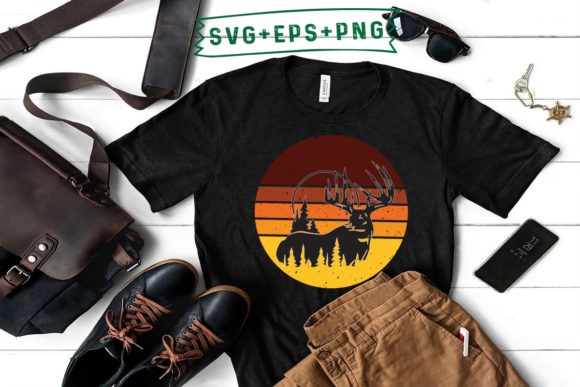
Evaluating the Hunting T-shirt Design for Embroidery
When you first open the Hunting T-shirt Design SVG EPS PNG file, there is an immediate sense of nostalgia and rugged simplicity. It doesn’t try to overwhelm you with unnecessary frills; instead, the composition leans into a classic sporting motif that feels equally at home on a vintage camper hat or a clean modern crewneck. The graphic personality is calm and confident, the kind of artwork that seems to understand exactly who it’s speaking to—outdoor lovers, weekend woodsmen, and small shops building a brand around heritage-inspired goods.
A First Impression That Feels Intentionally Quiet
The mood of Hunting T-shirt Design SVG EPS PNG is rooted in quiet morning light and crisp autumn air. It carries a sense of tradition without being dated. Depending on the specific imagery inside the file, you might see a silhouette of wildlife, subtle tree line cuts, or a clever arrangement of hunter and prey shapes that keep the eye moving across the design. The layout is typically centralized or slightly asymmetrical in a way that lends itself beautifully to breast prints, back patches, or bold front placement on a tee. As a designer, I notice how the open areas and negative space will translate into threads. A lot of print-ready artwork can feel disconnected from the realities of embroidery, but this one has a natural balance that hints it might digitize with decent readability if you respect its scale.
My first thought while looking at Hunting T-shirt Design SVG EPS PNG wasn’t about a t-shirt at all. It was about a heavyweight sweatshirt with a flocked feel, where the embroidery could push into the plush fabric and feel like a tactile brand mark. Or maybe a canvas tote bag that catches the light differently on each woven texture. The visual weight of the design suggests it would thrive as a dimensional piece, not just a flat print. Because the product description covers vinyl, cut machines, and iron-on transfers, the graphic clearly holds its own as a crisp vector, which means front-end preparation for embroidery digitizing will be relatively clean, with fewer artifacts to clean up than you’d find in a raster-heavy composition.
Real-Life Embroidery Scenario: The Heirloom Sweatshirt Project
Let me walk you through the kind of project where this design became a real test. A client wanted a personalized gift for her husband’s hunting camp reunion. The idea was a pullover hoodie in heathered charcoal, embroidered with something quietly masculine and not overly cartoonish. I pulled up the Hunting T-shirt Design SVG EPS PNG file and immediately saw how the theme could anchor the front left chest. The design was bold enough to be legible from a conversation distance, but its detail level wasn’t so microscopic that I’d lose definition on a 4x4 or 5x7 hoop after stitching. That’s exactly the kind of sweet spot you want when you’re moving from digital art to thread.
Before committing, I ran a stitch simulation in my head. The running stitch would handle the finer contour lines, and I’d convert the larger solid areas into a low-density fill stitch with a slight direction change to mimic fur or natural texture. Satin stitch borders would frame the main shapes, giving the design a polished, almost badge-like finish. My main concern was how tightly some of the internal negative spaces were packed—things like antler tines or lettering loops often close up if you increase stitch count too much. I made a mental note to test on a medium-weight cotton twill before moving to the stretchy sweatshirt material. That scrap fabric test told me exactly what I needed: a cut-away stabilizer to keep the design from puckering, and a thread color palette that replaced the expected dark brown with a warmer chestnut tone to pop against the charcoal.
The finished embroidered hoodie had a subtle, boutique-quality look. People at the reunion thought it was a limited-edition camp product, not a custom one-off. That’s when I knew the Hunting T-shirt Design SVG EPS PNG wasn’t just a generic clip-art file—it had enough visual restraint to feel exclusive, even as a digital template.
Where This Design Truly Thrives in Handmade Merchandise
Beyond one hoodie, I can see Hunting T-shirt Design SVG EPS PNG becoming a quiet workhorse across a variety of embroidered products. It fits naturally into the kind of lineup a craft business owner or Etsy seller would build for late fall and winter releases. Think about these practical applications:
- Custom apparel – crewnecks, long-sleeve tees, camo-accented raglans, and flannel-lined jackets
- Tote bags – canvas shoppers where the embroidery becomes the hero element
- Caps and hats – structured six-panel caps or unstructured dad hats, though you’ll need to watch the detail level if scaling for a cap front
- Patches – digitize the outline for a merrowed edge patch, stitch it on felt, and you have a ready-to-sell accessory
- Aprons – a heavy duck cloth apron with this design on the bib gives a rustic farmhouse or butcher shop vibe
- Pillow covers and tea towels – dig into home decor; the design stitched on a linen blend pillow or flour sack towel creates a cabin retreat feel
- Baby and toddler items – a miniature version on a tiny jacket or blanket, though you’ll need to simplify it for tiny hoop sizes
- Nursery decor – woodland-themed room accents pair beautifully with this graphic’s natural mood
Because the original file is also sold as a Print Template within the Graphics type, you’re not stuck with just thread. You can cut the same exact design on heat transfer vinyl for a matching mug, slap it on a sticker for packaging, or use it as a printable mockup to preview your finished stitched products. That cohesion between embroidery and complementary product lines helps a small shop look intentionally branded instead of scattered.
The Embroidery Digitizer’s Reality Check
Here’s where I put on my practical reviewer hat. If you’re planning to use Hunting T-shirt Design SVG EPS PNG as a starting point for machine embroidery, you need to think about what happens after the vector file is imported into your editing software. The main shapes will likely digitize smoothly, but the fine interior lines and tiny separated elements demand your attention. When you see the term “SVG EPS PNG” in the title, remember that this is a digital product for print, not a pre-digitized embroidery file. You will be responsible for creating the stitch file, assigning stitch types, and setting densities. That’s completely normal, but it means your results depend on how thoughtfully you approach the conversion.
Thread Choices and Fabric Contrast
Before you even hoop fabric, test the design in black and white. Turn your screen to grayscale and look at how the shapes separate. If you lose important visual breaks, your thread colors aren’t contrasting enough. For dark garments, consider using a slightly lighter thread for the main body of the design than you think you need—what looks perfect on a white screen can turn muddy on a forest green hoodie. Metallic or variegated threads can also add a surprising dimension, especially for water reflections or feather textures, but don’t overcomplicate a design that already has a strong silhouette.
Stitch Density and Small Detail Longevity
I always remind embroidery designers to watch the density on tightly packed areas. If the Hunting T-shirt Design SVG EPS PNG includes thin antler tips or delicate lettering, a dense satin stitch can cause those elements to feel stiff and plasticky. Worse, it increases the risk of thread breaks on high-speed machines. Consider a light fill stitch with a narrow column width for those sections, or even a well-placed running stitch that mimics a drawn line. Also, ask yourself: will this design be washed 50 times? A heavy stitch concentration on a loosely woven tea towel might pucker over time. A smoother, lower-density fill often ages better and feels softer against the skin.
Hoop Size and Placement Challenges
When you’re placing this design on a cap or a curved tote bag side, the original proportions might fight you. Caps have a steep arc, so a wide, horizontal composition can distort. Puffy foam and high-profile hats can obscure fine detail. I recommend checking the dimensions before you commit to a small hoop; if the file can be split into separate design elements, you might get a better result by editing down to just the core silhouette and skipping the most delicate accents. Always, always run a sample stitch-out on a similar fabric with your selected stabilizer. That one step separates a professional finish from a frustrating mistake.
When to Use This File with Restraint
Not every pretty design belongs on every surface. I’ve seen too many makers try to force a intricate hunting scene onto a thin onesie or a stretchy performance tee, only to end up with tunneling and distortion. Use caution on:
- Thin or translucent fabrics – the design will require a heavy stabilizer that may show through
- Stretchy athletic wear – consider a heat transfer vinyl application instead, utilizing the same graphic from the PNG or EPS file for a more flexible finish
- Dark, high-contrast backgrounds – you may need to adjust thread colors significantly to maintain the design’s mood
- Layered garments – pockets, collar seams, and zippers can interrupt the embroidery field
- Products that require frequent high-heat washing – if the thread isn’t colorfast or the stabilizer weakens, you’ll get unhappy customers
I often tell my boutique clients to use a softer, muted version of a hunting graphic for baby blankets and nursery pillows, and reserve the full-detail version for tough canvas patches, denim jackets, and wall hangings. The Hunting T-shirt Design SVG EPS PNG is flexible enough to do both, but you have to make a conscious editing choice before stitching it out.
How the Design Boosts Product Value and Customer Trust
There is a quiet confidence in a well-embroidered outdoor motif. When a customer picks up a tote bag with clean, readable stitches and no puckering, they immediately trust that the maker paid attention. A design like this, when executed correctly, raises the perception of your entire product line. It tells your buyer that you didn’t just grab a free clipart and call it a day. The rustic, heritage feel of Hunting T-shirt Design SVG EPS PNG leans into the current trend of slow, thoughtful manufacturing. It’s the kind of visual that makes someone hand you cash at a craft fair without asking for a discount, because the product already looks like it belongs in a specialty store.
For digital product sellers, this file is a smart pickup because it translates across mediums so easily. You can create a printable mockup of the finished embroidered hoodie using the PNG, list it as a custom order, and present the design story consistently. Buyers respond to seeing the same graphic on a shirt, a sticker, and a packaging thank-you card. It feels intentional. And when they buy the digital file itself, they get a Print Templates asset they can use in scrapbooking, card invitations, and cut machines. That multi-purpose nature makes the purchase feel like a toolbox investment, not a single-use download.
A Few Final Practical Notes Before You Stitch
As with any digital design file, especially one labeled as a Graphics product, confirm the licensing terms before selling finished items. The description mentions use on t-shirts, mugs, vinyl decals, stickers, and iron-on transfers, which implies a generous commercial allowance, but I always recommend reading the fine print. Some designers require a small-batch license or attribution. Don’t assume—verify. Even if you’re making a one-off personalized gift, understanding where the design can legally appear keeps your creative business safe.
Also, remember that the embroidery result will only be as professional as your digitizing and preparation. Test on scrap fabric first. Compare light and dark thread options under natural light. Keep notes on which stabilizer you used and whether the fabric shifted. Over time, these small recorded details become your secret weapon for consistently beautiful work. The Hunting T-shirt Design SVG EPS PNG gives you a strong foundation; the rest is your craft.
Every time I finish a project with a design like this, I’m reminded that the simplest, most honest art often creates the most lasting products. This one isn’t flashy, but it’s real. And in the world of handmade goods and embroidery design, real is exactly what connects with people and keeps them coming back.